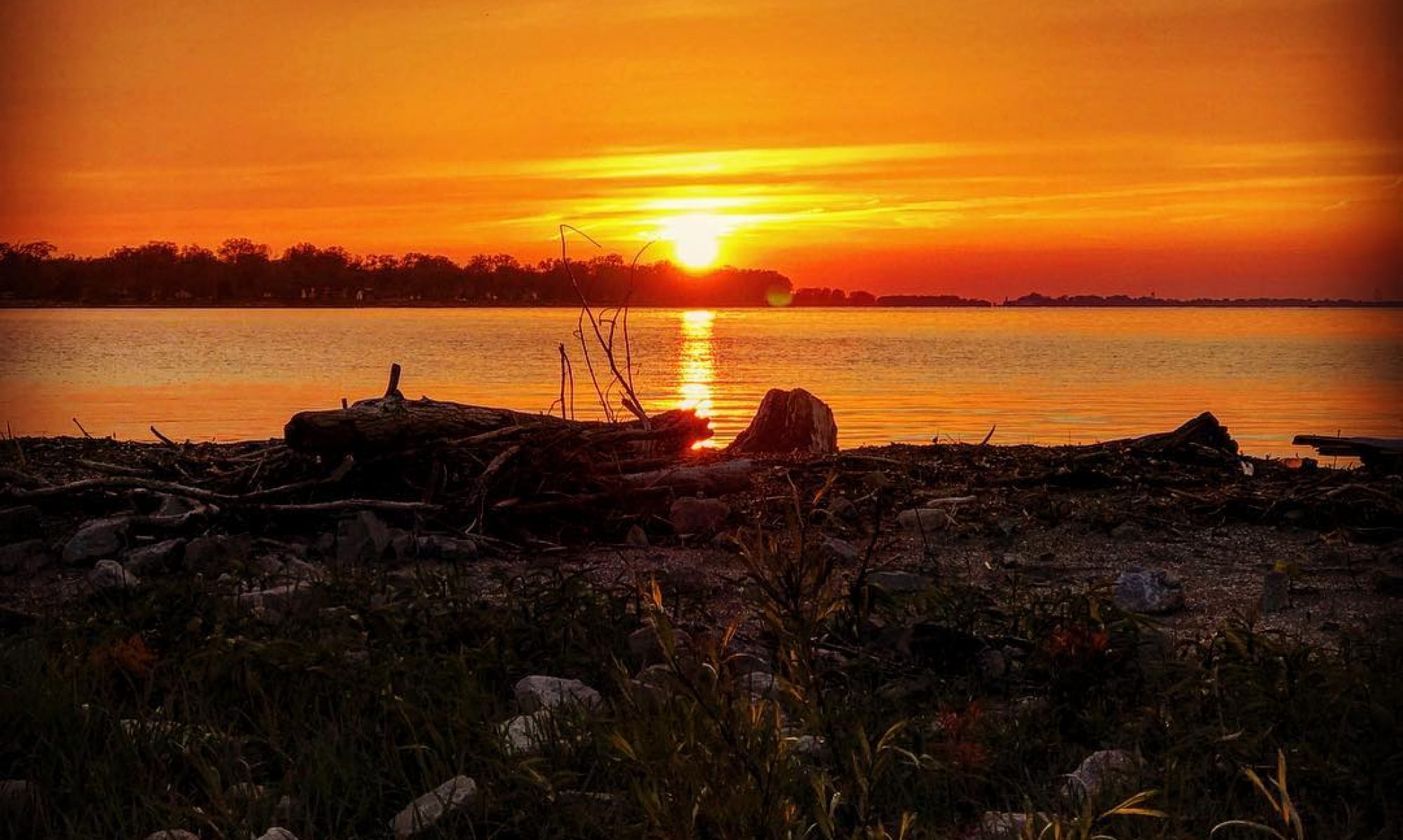
As we hit the exit ramp from the year that was 2020, we have experienced so much. While the phrase has been overused, these have been unprecedented times.
Having experienced a number of difficult seasons in my life, let me share a few thoughts and observations as we look back on 2020. Some may seem like common sense and others you may strongly disagree with. (If you really dislike any “God” talk, you can skip the next few paragraphs. However, I invite you to at least consider reading even that portion of this post.)
God is not in control. Even if you don’t believe in God or any type of divine being, hear me out on this one. I am not for a minute minimizing or discounting the divine’s power. Instead, I am acknowledging the reality that regardless of what god, divine being, or force you may or may not look for, that entity does not control the world.
If God were truly in control, explain why in just our country, hundreds of thousands of people died from a pandemic, millions of people lost their jobs, and we have experienced untold suffering. Would a loving God who is in control allow that to happen?
Some may find these words troubling. Others may do theological backflips to reconcile free will with divine sovereignty. I see them as a comfort and a challenge.
I am relieved to believe the divine is not responsible for the hurt, pain, and loss we have all experienced. Grace, mercy, love, and even justice don’t align with the hell we have endured this year.
At the same time, the divine is intimately present in all of the pain. Whether someone believes in any form of God or not, the divine presence has dwelt in their moments of torment and suffering. Isn’t that really the main lesson of the cross? In our sometimes myopic focus on the Penal Substitutionary Theory, I believe we miss out on other meaningful aspects of the crucifixion.
The divine stands shoulder-deep in our crap.
I don’t believe the central purpose of the cross is to keep me from going to hell (I’m not planning to address the existence of hell here); it does remind me the divine stands with me in the midst of hell in this life. That does not mean I don’t believe in an afterlife, but when we focus our theology on escaping this planet, our blind spots can be enormous.
This simply scratches the surface on this topic, but it is time to move on.
We are better working together than we are working against each other. There was plenty of both on display this year.
Across the world, people served and sacrificed for others. Neighbors provided food and assistance. Families pulled together to help one another. Medical professionals, first responders, and others worked countless hours to provide care. People gave so freely of themselves to aid their fellow human beings in a time of tremendous suffering.
At the same time, the vitriol and venom spewed across our nation was disturbing and disgusting. Racism, homophobia, name-calling, bullying, violence, and division plagued our country. People screamed at each other, threatened each other, and refused to listen to each other. This vicious behavior was not confined to one political party, class, race, or group; it spread like wildfire through social media, riots, and personal encounters.
We witnessed our nation rise up to its greatest potential and collapse into the worst version of itself at the same time, sometimes in the same people. This is the human story, exacerbated by challenges and conflicts that while not completely unprecedented were certainly magnified.
As we move forward into a new year, we face many of the same challenges, but as we reflect on what has been, let us look to the future considering how we can leave behind the hatred and division and move closer to more fully embodying the cooperation and compassion displayed by so many.
We are all hurting. One thing this pandemic has revealed is how rampant pain is across the world. Americans have become especially adept at hiding their pain. Wealth provides ample tools for denial and distraction. We binge our way through loneliness. We medicate ourselves through hurt. We entertain ourselves through lack of meaning. We collect things to fill the voids.
This year many of us have faced things we could no longer hide. Financial struggles limited or even eliminated a significant number of numbing techniques. Racial discord exposed economic and social disparities and privilege. Disagreements about something as simple as masks revealed divergent views about science, government, and institutional integrity. We are a divided people.
Beneath the division and animosity lies a deeper reality. We are projecting our pain on our neighbors. As a nation we stand somewhere between the precontemplation and contemplation stages of change. If you’re not familiar with stages of change theory, basically that means we are between not realizing there is a problem and realizing it but unwilling to make change.
I am not talking about changing someone else, but changing ourselves. Changing someone else is a primary metanarrative in our country. Just watch a few minutes of cable news and you can see that. We have seemingly little collective self-reflection and self-awareness.
The change must start within. If we do one thing differently this year, let it be a greater focus on looking within. This is not to say we should engage in navel-gazing or tunnel vision. Rather, we must contemplate and consider how each of us contributes to our collective pain. What thoughts and behaviors drive us to look down on those we disagree with? What unseen or most ignored pain in our own lives are we projecting onto others?
Do you want to change the world? Don’t start by pointing fingers outward, but by looking inward. Those inward changes can be the spark which opens us to deeper realities about ourselves and the world. Gandhi said, “If we could change ourselves, the tendencies in the world would also change. As a man changes his own nature, so does the attitude of the world change towards him…We need not wait to see what others do.” We have a symbiotic relationship with the world, but our efforts must be directed towards what we can change, ourselves.
This is difficult work. Nearly six years ago I began a journey similar to the one I describe above. Every time my ego begins to tell me I have arrived, life sends another reminder these is more work to do. I press on, seeking to learn more. In the process I come to see how little I know.
As I look back on 2020, I hope we can walk away with a little more humility, wisdom, and love. That can be more powerful than any vaccine in fighting the viruses which infect our collective and individual souls.
 Breaking Into Peace